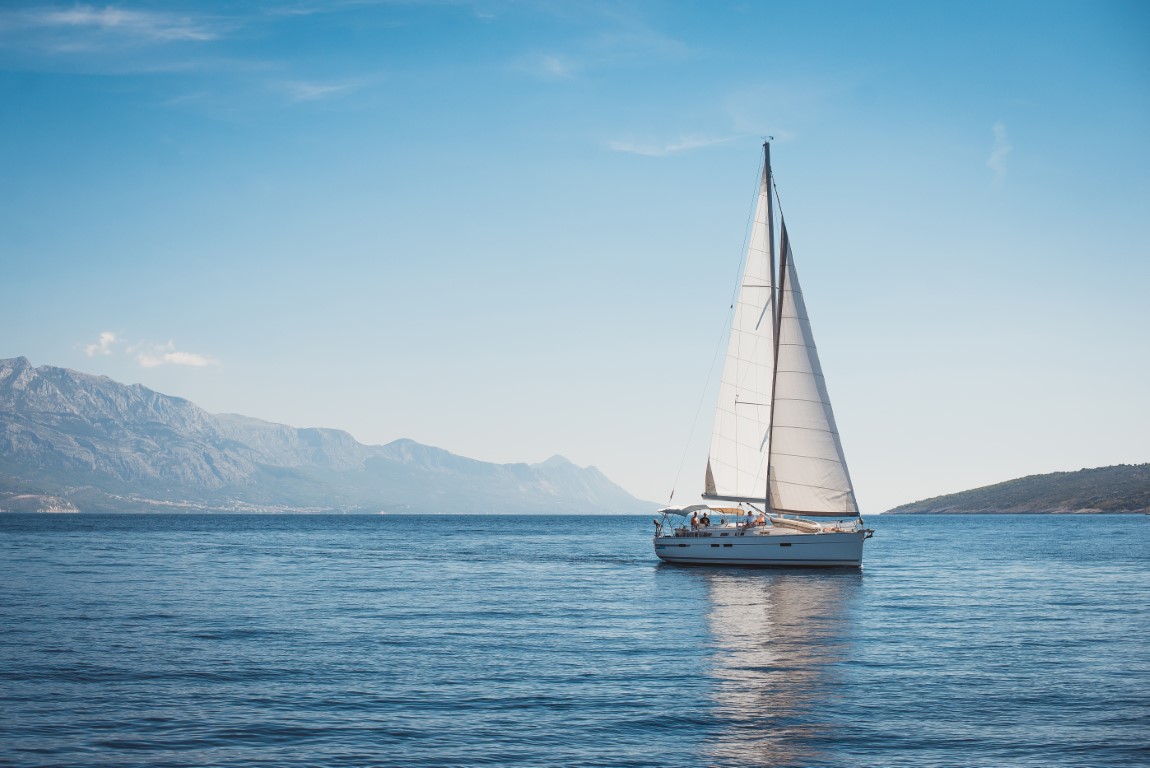
Find out all you need to know about boat insurance with our handy guide.
Boat insurance protects you, your craft and other water users if something goes wrong on the water, in the marina or while your boat is being stored or transported. While not always a legal requirement in the UK, most marinas, mooring providers and inland waterways authorities insist on at least basic third-party boat insurance before you can use their facilities. At Compare-Boat-Insurance.co.uk, you can quickly compare UK boat insurance quotes to find cover that matches how and where you use your boat.
Types of Boats You Can Insure
Most leisure craft can be covered, including:
- Yachts and sailing boats
- Motorboats and sports cruisers
- Narrowboats and inland cruisers
- RIBs and speedboats
- Dinghies and day boats
- Jet skis and other personal watercraft
When you compare boat insurance quotes, make sure you select the right boat type so insurers can give accurate prices.
Do I Need Boat Insurance in the UK?
There is no blanket UK law that says every boat must be insured, but in reality you will usually need at least third-party boat insurance because:
- Many marinas and moorings require proof of insurance
- Inland waterways authorities (such as Canal & River Trust) ask for minimum liability limits
- A single collision or injury claim can easily cost tens of thousands of pounds
Even if you only use your boat occasionally, having the right boat insurance policy in place protects your savings if the worst happens.
The Main Types of Boat Insurance Cover
1. Third-Party Only Boat Insurance
This is the minimum level of cover and is often required just to launch or moor your vessel.
Third-party only policies typically cover:
- Injury to other people caused by your boat
- Damage to other boats, jetties, pontoons or other property
- Legal costs if a claim is made against you
This type of boat insurance does not protect your own boat if it’s damaged, stolen or written off.
2. Comprehensive Boat Insurance
Comprehensive boat insurance includes all the benefits of third-party only cover plus protection for your own craft.
It usually covers:
- Accidental damage (e.g. collision, grounding, storm damage)
- Fire and explosion
- Theft and attempted theft
- Malicious damage or vandalism
If you rely on your boat for regular cruising or it would be expensive to replace, comprehensive cover is usually worth comparing.
What Does Boat Insurance Typically Cover?
Exact benefits vary by insurer, but comprehensive UK boat insurance often includes:
Third-Party Liability
- Compensation and legal costs if you injure someone
- Damage to other boats, moorings or property
- High liability limits (often £2–5 million)
Damage to Your Boat
- Accidental damage on inland or coastal waters
- Storm damage, collisions and groundings
- Damage while moored or in storage (subject to policy terms)
Theft and Vandalism
- Theft of the whole boat
- Theft of engines or onboard equipment (security conditions usually apply)
- Malicious damage while your boat is moored or stored
Salvage, Recovery and Emergency Costs
- Salvage and recovery of the vessel after an incident
- Reasonable emergency costs to protect your boat from further damage
Transit and Lifting
- Loss or damage while your boat is transported on its trailer
- Incidents when lifting, launching or hauling out with slings or cranes (where included)
Optional Extras
Some policy options you might see when you compare:
- Increased third-party liability limits
- Cover for personal effects and onboard possessions
- Racing cover for masts, spars, sails and rigging
- European or Mediterranean cruising extensions
- Legal expenses cover
When using Compare-Boat-Insurance.co.uk, always check which extras are included as standard and which cost more.
What Isn’t Usually Covered?
Common exclusions on UK boat insurance policies include:
- Wear and tear, corrosion and gradual deterioration
- Mechanical or electrical breakdown on its own
- Poor or lack of maintenance
- Use outside the agreed cruising area
- Commercial use if you only have a private pleasure policy
- Theft when locks and security conditions haven’t been followed
- Incidents while the skipper is under the influence of alcohol or drugs
Always read the policy wording carefully before you buy – two similar-looking quotes can provide very different levels of cover.
How Much Boat Insurance Cover Do I Need?
When comparing quotes on Compare-Boat-Insurance.co.uk, think about:
- Boat value
- Do you want agreed value or market value if there’s a total loss?
- Liability limit
- Many marinas and waterways expect at least £2 million liability cover.
- Higher limits may offer extra peace of mind.
- Cruising area
- UK inland only, coastal UK, cross-Channel or wider European cruising?
- Use of the boat
- Private pleasure only, club racing, water-skiing or occasional charter?
- Security and mooring
- Where you keep the boat (marina berth, mooring, trailer at home) and what security you use can affect your premium.
How to Compare Boat Insurance at Compare-Boat-Insurance.co.uk
Comparing quotes is simple:
- Tell us about your boat
- Type of craft, length, age and value
- Engine details and any modifications
- Describe how you use it
- Typical waters, mooring location and annual hours afloat
- Choose your cover level
- Third-party only or comprehensive boat insurance
- Compare policies side by side
- Check what each policy includes, excesses, limits and exclusions—not just the price.
- Buy online
- Once you’ve found the right policy for your needs, you can proceed to the insurer and arrange cover online.
Boat Insurance FAQs
Is boat insurance mandatory in the UK?
Not everywhere, but most marinas and inland waterways require at least third-party liability cover. It’s strongly recommended even where not compulsory.
Does boat insurance cover me abroad?
Many policies include limited European cruising areas, but not all. Always check your cruising range when you compare quotes.
Can I insure my boat while it’s on a trailer?
Yes. Many UK boat insurance policies cover transit on a road trailer, as long as the trailer is roadworthy and secured correctly.