
A practical guide to UK canal boat insurance: third-party vs comprehensive cover, key exclusions, surveys, add-ons, and how to reduce your premium.
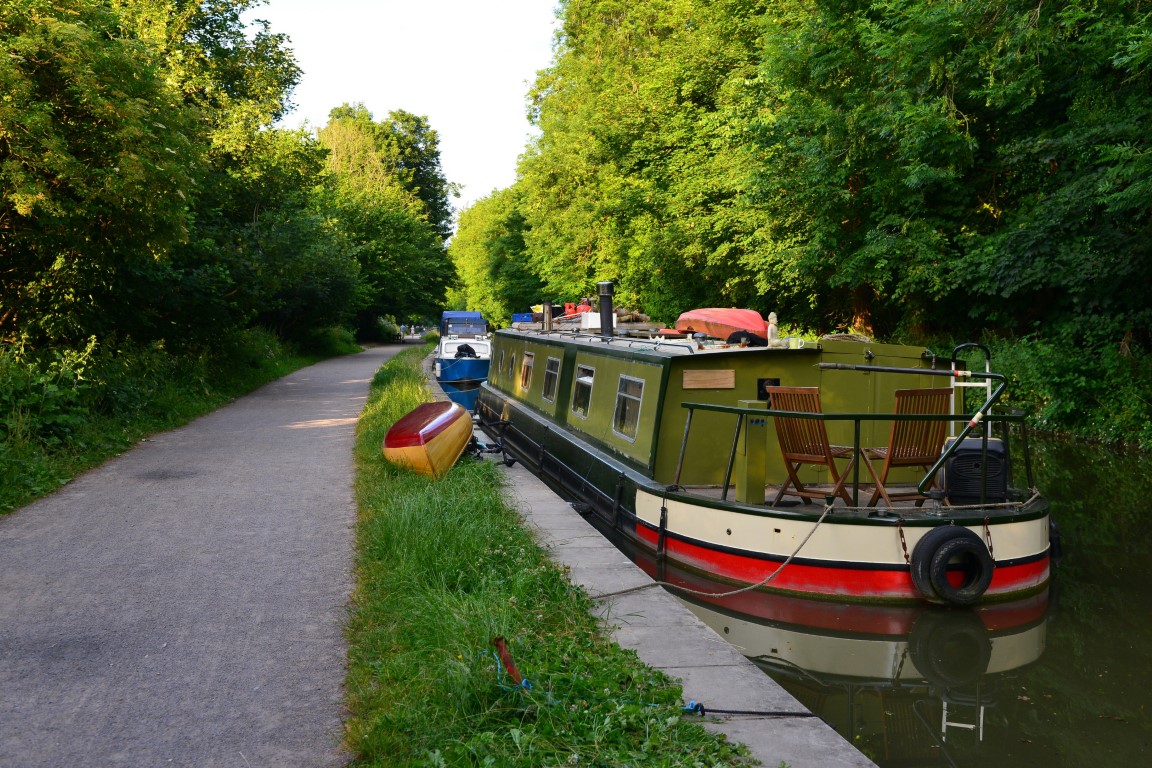
Boat insurance isn’t universally mandated by one single UK law for all inland craft, but it is often required in practice. Navigation authorities, marinas and mooring providers commonly require proof of cover, and incidents on canals can be costly.
· Many inland navigation authorities require third-party liability cover before they will issue a licence or toll.
· Marinas and mooring providers frequently require insurance as part of their terms.
· Accidents can involve expensive repairs, salvage and third-party injury or infrastructure claims.
Tip: Choosing a higher liability limit can be good value, especially if you cruise busy urban stretches or keep your boat in a marina.
Most UK inland waterways policies are built around three common levels of cover:
Covers injury to other people and damage to their property, including damage to waterway infrastructure such as locks, bridges and banks.
Adds cover if your boat is stolen or damaged by fire (and sometimes attempted theft or related vandalism).
Typically includes third-party, fire and theft plus accidental damage to your own boat. Comprehensive policies commonly include:
· Accidental damage (collision, lock impacts, grounding)
· Theft and fire
· Vandalism or malicious damage
· Personal effects and contents (often optional or capped)
· Salvage and wreck removal (important on inland waterways)
· Legal expenses (often optional)
· Agreed value vs market value (agreed value is often preferred for older boats)
· Hull material and construction; length and beam; engine type and age
· Age, condition and maintenance history
· Fit-out quality and evidence of recent work (invoices, surveys, photos)
· Liveaboard vs leisure use (full-time living aboard usually changes the risk profile)
· Continuous cruising vs home mooring
· Hire, charter or business use must be declared; standard leisure cover may not apply
· Marina vs towpath vs private mooring
· Local theft risk (postcode/area)
· Security measures such as chains, hatch locks, alarms and trackers
Policies may specify where you can cruise (for example, inland only, non-tidal rivers only, or named waterways). If you plan tidal passages or coastal hops, you must confirm the policy permits them.
· Contents / personal belongings: useful for liveaboards or well-equipped boats.
· Personal accident cover: relevant if you cruise with family or guests regularly.
· Breakdown / towing assistance: helpful if you cruise far from your home mooring.
· No-claims discount protection: useful once you have meaningful NCD to protect.
· Higher liability limits: can help meet marina requirements and reduce personal exposure.
Use this checklist to avoid common gaps and exclusions:
· Liability limit meets the waterways you use (often £2m+ on major inland networks).
· Liveaboard use is explicitly included if you sleep aboard regularly.
· Your mooring type is declared correctly (marina, towpath, farm, private).
· Single-handed cruising is allowed if you cruise solo.
· Excess levels are affordable if you need to claim.
· Salvage and wreck removal is included and at adequate limits.
· You understand wear-and-tear exclusions (maintenance failures, corrosion, gradual water ingress).
· Unattended theft conditions are realistic (locks, forced entry evidence, secure storage).
For older boats or higher sums insured, insurers may ask for a recent hull survey, a valuation, and photos. If you want an agreed value policy at the upper end of the boat’s worth, a survey or valuation can make underwriting easier.
· Improve security and keep evidence (receipts, photos).
· Choose an excess that reduces premium without becoming unmanageable.
· If it matches your lifestyle, a secure marina mooring can reduce theft risk.
· Keep Boat Safety Scheme certification current where required.
· Only declare the cruising range you genuinely need.
If you have an incident, good documentation and prompt notification helps claims go smoothly:
· Make the situation safe (people first) and prevent further damage where possible.
· Take photos: wide shots and close-ups.
· Record the time, location and details of any third parties involved.
· Notify the navigation authority if infrastructure is involved (locks, bridges, bank damage).
· Contact your insurer promptly and keep damaged parts if requested.
Yes. CRT requires at least £2,000,000 third-party cover to buy a boat licence on their waterways.
They are usually the same category: inland waterways boat insurance, designed around canal and non-coastal risks.
It can meet many licence requirements, but it won’t pay to repair or replace your own boat after fire, theft or accidental damage.
Some policies do, but you must choose a policy that explicitly allows liveaboard use and declare your usage accurately.
Not always, but older boats or higher insured values often require a hull survey or condition report.
It depends where you cruise. CRT and the Broads typically require £2m; EA-managed waterways commonly require £1m for powered boats (check the latest rules for your craft and waterway).
Often, but only if policy security conditions are met. Check unattended theft wording and contents sub-limits.
Agreed value sets the payout value up front (subject to policy terms). It can be helpful for older boats where market prices vary.
Just enter your quote reference and email to recall your quote.